
When your air conditioner stops working during a San Antonio summer, one of the first questions is usually, “How much is this going to cost?” The answer depends on more than just the broken part. Repair costs vary with the type of problem, the age of the system, replacement parts, labor, and whether the issue is caught early or after additional damage has occurred.
Before any repair is recommended, most HVAC companies start with a diagnostic visit. Understanding what a diagnostic fee covers, and what drives repair pricing, helps you make an informed decision instead of being surprised by the final invoice.
What is an HVAC diagnostic fee?
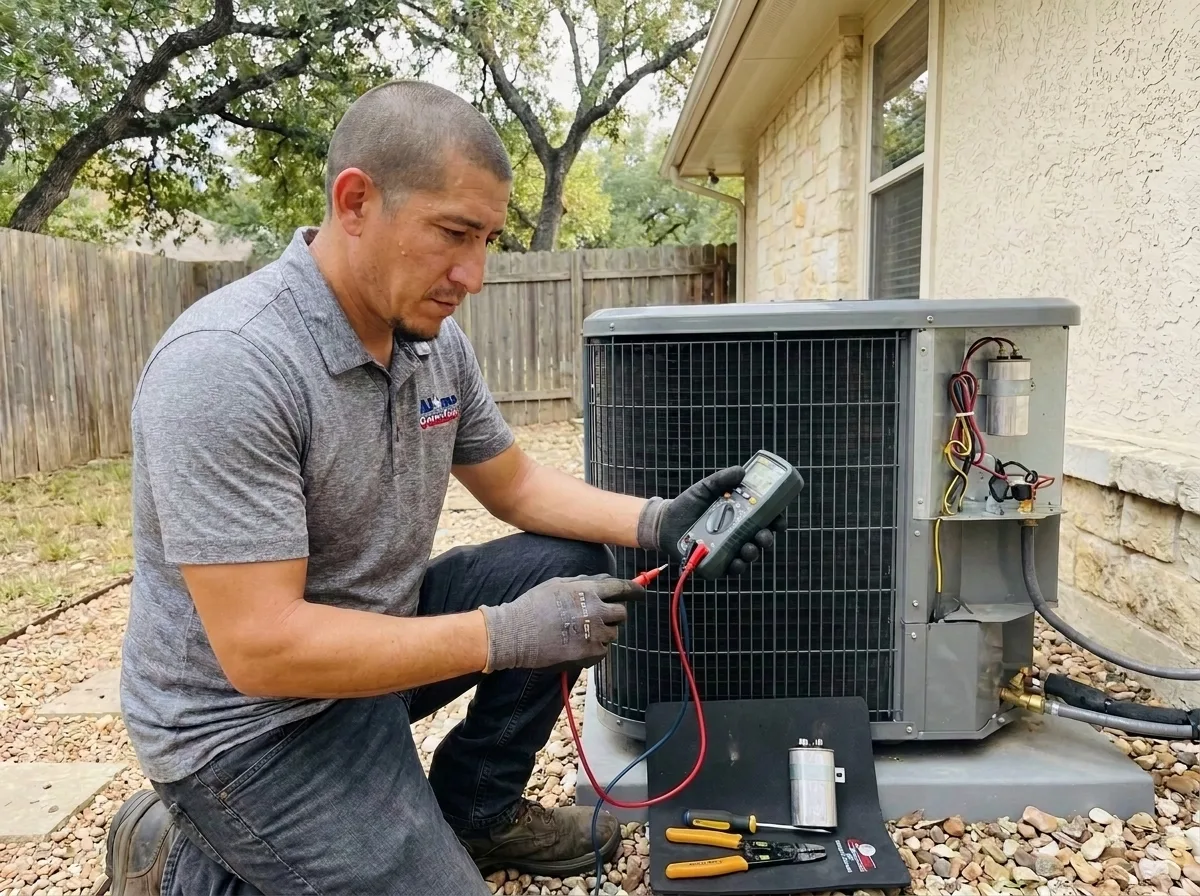
An HVAC diagnostic fee is the cost of having a trained technician inspect your air conditioning system to determine why it is not working properly. Rather than guessing or replacing parts unnecessarily, the technician performs a systematic evaluation to identify the root cause.
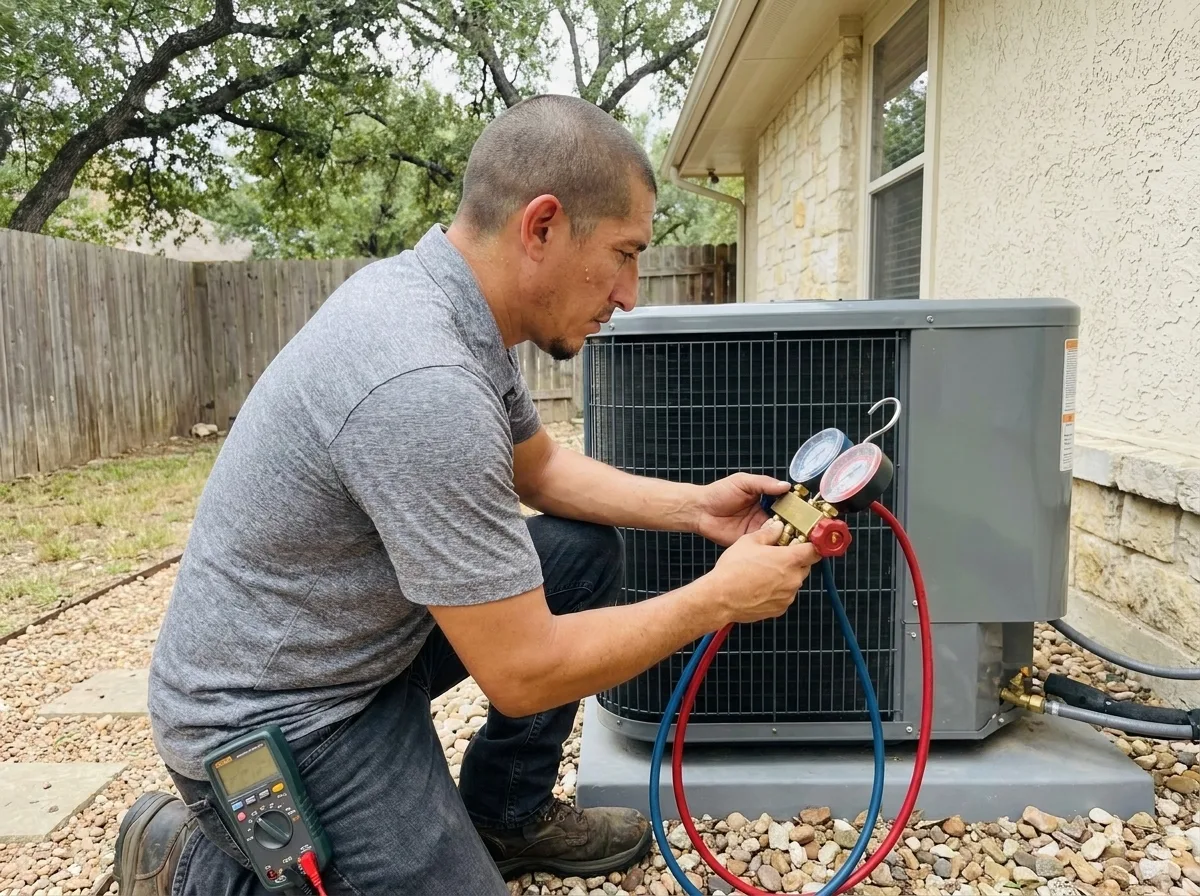
A professional diagnosis typically includes checking thermostat operation, electrical components, refrigerant performance, airflow, condensate drainage, and both the indoor and outdoor units. Depending on the complexity, this usually takes 30 to 90 minutes. Diagnostic fees vary between companies, but the information gathered tells you exactly what needs to be repaired and why.
What a diagnostic inspection typically includes
| Inspection area | Purpose |
|---|---|
| Thermostat operation | Confirms the system is receiving proper commands |
| Electrical testing | Checks capacitors, contactors, relays, and wiring |
| Refrigerant performance | Evaluates cooling pressures and system operation |
| Airflow inspection | Identifies restrictions affecting performance |
| Condensate drainage | Checks for drain-line blockages or water issues |
| Indoor and outdoor equipment | Evaluates the overall condition of the system |
What factors affect the cost of AC repair?
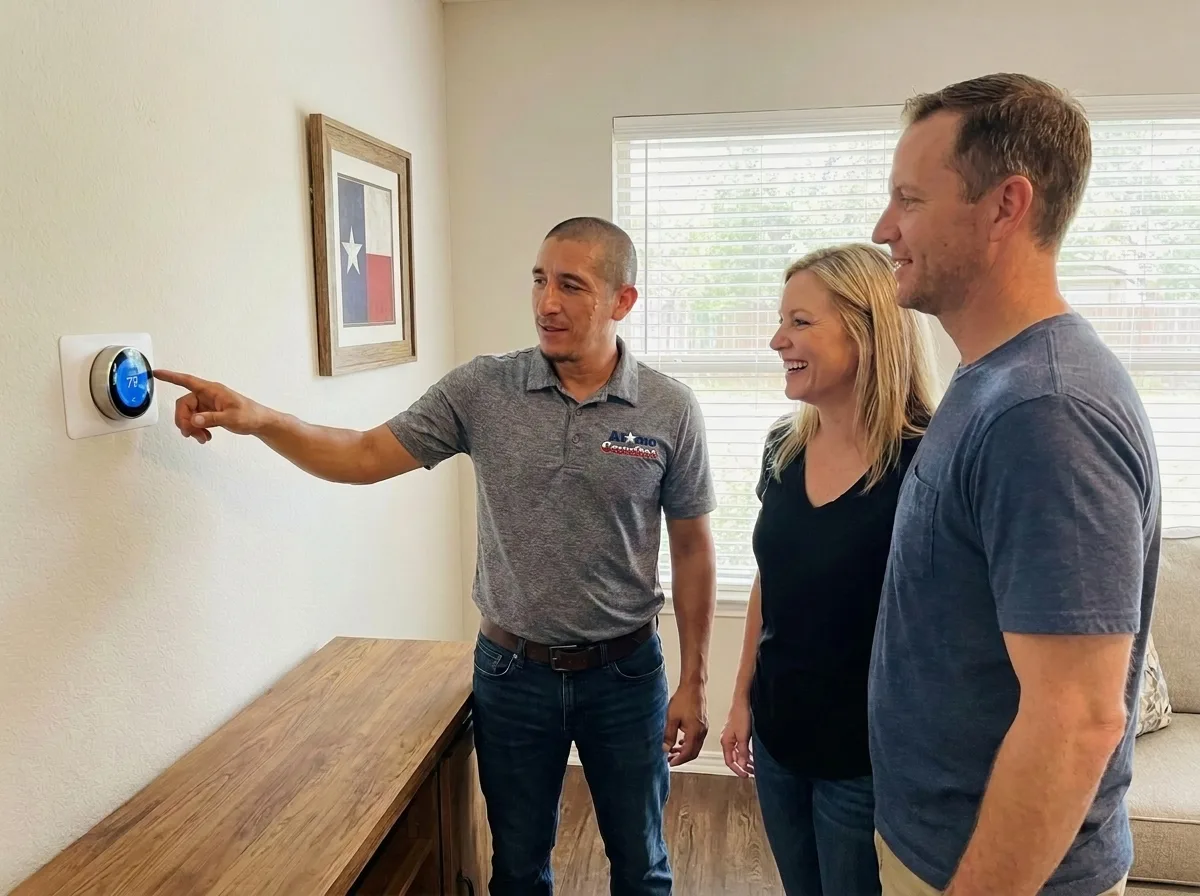
No two AC repairs cost exactly the same because every system fails differently. Replacing a worn capacitor is far less involved than repairing a refrigerant leak or replacing an evaporator coil. Before giving an estimate, a technician should evaluate the whole system to determine not only what failed, but whether other components have been affected.
Type of repair needed
The failed component is usually the biggest factor. Replacing a capacitor, contactor, or condensate pump is generally less expensive than repairing refrigerant leaks, replacing blower motors, or installing a new compressor, which need more labor, specialized equipment, and testing.
Age of the air conditioner
As a system gets older, repairs often cost more because parts may be discontinued or harder to source. Systems 12 to 15 years old are also more likely to have multiple worn components, making a single repair only part of the picture.
Accessibility of the equipment
Location matters. An outdoor unit with clear access is much easier to service than equipment in a cramped attic, tight crawl space, or difficult mechanical closet, where the work simply takes longer to do safely.
Extent of secondary damage
Small problems rarely stay small. A refrigerant leak can eventually overwork the compressor, and restricted airflow can lead to frozen coils or blower-motor strain. Catching problems early usually keeps repairs simpler and less expensive.
What are typical AC repair costs in San Antonio?
Every repair is different, but general price ranges help set realistic expectations. Smaller electrical repairs usually fall at the lower end, while major component replacements require a larger investment. The ranges below reflect common residential AC repairs in the San Antonio market; actual pricing depends on equipment type, labor, parts, and the condition of the system.
| Repair type | Typical cost range |
|---|---|
| Diagnostic inspection | $75 – $150 |
| Capacitor replacement | $150 – $350 |
| Contactor replacement | $175 – $400 |
| Condensate drain cleaning | $125 – $300 |
| Blower motor repair or replacement | $450 – $1,000+ |
| Refrigerant leak repair and recharge | $400 – $1,500+ |
| Evaporator coil replacement | $1,200 – $2,800+ |
| Compressor replacement | $2,000 – $4,000+ |
These figures are guidelines, not fixed prices. A professional AC service in San Antonio gives the most accurate estimate after inspecting the system and identifying the actual cause of the problem.
When is it better to repair instead of replace your AC?
A repair estimate does not automatically mean you need a new air conditioner. In many cases, repairing the system is still the smartest financial decision, especially if the equipment is relatively new and well maintained. The key is looking at the repair in the context of the system’s overall condition, not just today’s invoice.
Replacing a capacitor or repairing a condensate drain on a six-year-old system is very different from replacing a compressor on a fifteen-year-old unit. A qualified technician should explain how age, repair history, efficiency, and expected lifespan factor into the decision.
Repairs that are often worth making
| Situation | Repair usually makes sense |
|---|---|
| System is less than 10 years old | ✓ |
| First major repair | ✓ |
| Routine electrical component failure | ✓ |
| Equipment cools efficiently after repair | ✓ |
| Repair cost is low compared to replacement | ✓ |
How can you avoid paying for unnecessary repairs?
The quality of the diagnosis often decides the quality of the repair. Replacing parts without identifying the actual cause leads to repeat service calls and higher bills. A thorough diagnostic should explain what failed, why it failed, and whether other components have been affected.
An experienced contractor also gives you a clearer understanding of your options. Instead of jumping to the most expensive repair, a good technician should explain whether repairing the existing system, improving maintenance, or planning for future replacement makes the most financial sense.
Questions to ask before approving any repair
- What caused the problem? Understanding the root cause helps prevent the same issue from returning in a few months.
- Is this the only component that needs attention? Some failures affect nearby parts, so it helps to know the overall condition of the system.
- Will this repair restore full performance? Ask whether the repair returns the system to normal efficiency and cooling capacity.
- Does replacement make more financial sense? For older systems with recurring issues, comparing repair costs against a new installation helps you invest wisely.
How Alamo Comfort prices AC repair
The cost of an AC repair should never be a guessing game. A proper diagnosis gives you the information you need to understand what failed, why it happened, and whether repairing or replacing the system is the better long-term decision.
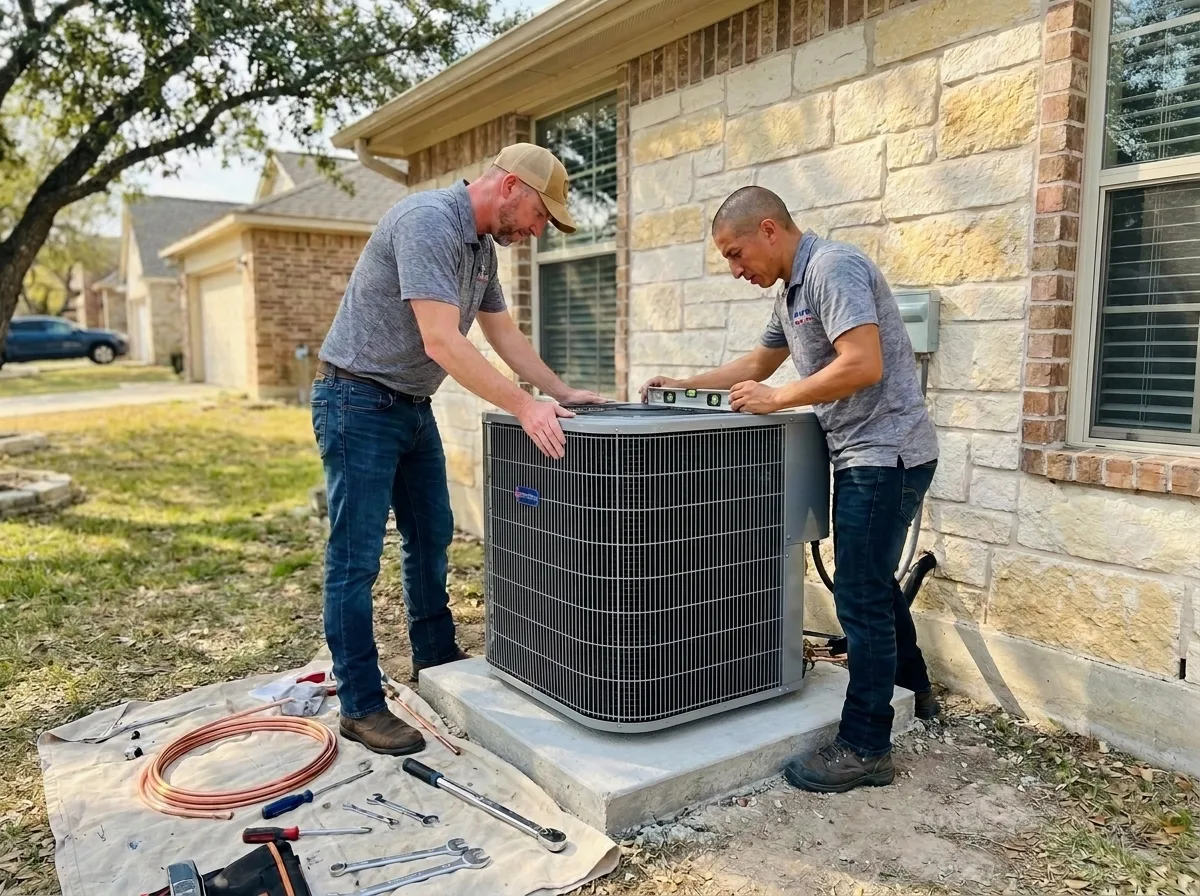
At Alamo Comfort Heating & Air Conditioning, our technicians perform a detailed evaluation before recommending repairs, and price the work before it starts. Whether you need AC repair in San Antonio, routine AC maintenance, or a second opinion before approving a major repair, we give honest recommendations with clear pricing.

Join the conversation