

Buying a new HVAC system in San Antonio is not just about choosing the right equipment. The warranty can determine what happens when a covered component fails two, five, or even eight years after installation. A manufacturer may cover the replacement part, while the labor required to diagnose, remove, and install that part can still be a separate cost.
That distinction is easy to miss when you’re comparing HVAC proposals. A new system may advertise a 10-year parts warranty, but that does not automatically mean you have 10 years of labor coverage. Before signing an installation agreement, you should know exactly who covers the equipment, who covers the technician’s labor, what conditions apply, and how a future warranty claim will actually be handled.
Separate the Manufacturer Warranty From the Labor Warranty

A manufacturer warranty generally applies to the HVAC equipment itself. If a covered compressor, coil, control board, or another component fails within the manufacturer’s warranty period, the manufacturer may provide a replacement part subject to its terms. The labor required to diagnose the failure, access the equipment, remove the failed component, install the replacement, and test the system is a separate consideration.
| Consideration | Manufacturer Warranty | Labor Warranty |
|---|---|---|
| Who provides it? | Equipment manufacturer | HVAC contractor |
| Primary coverage | Covered equipment parts | Eligible installation or repair labor |
| Typical example | Compressor or coil replacement part | Technician labor to perform the covered repair |
| Registration | May require equipment registration | Depends on contractor terms |
| Coverage period | Depends on equipment and warranty terms | Depends on contractor’s written warranty |
| Claim process | Manufacturer/authorized dealer process | Installing contractor |
| Potential homeowner cost | Labor may still be separate | May reduce eligible labor costs |
Texas homeowners should also distinguish these warranties from paid residential service contracts or extended protection plans. The Texas Department of Licensing and Regulation explains that a manufacturer’s warranty automatically comes with the product, while a service contract or extended warranty is purchased separately and has its own terms.
A Simple Example
Imagine your new San Antonio AC develops a covered compressor problem in year 6.
- Manufacturer warranty: May cover the replacement compressor.
- Labor warranty: Determines whether the technician’s labor is covered.
- Refrigerant or materials: Coverage depends on the specific warranty terms.
- Service call: May or may not be included.
- Additional repairs: Could remain the homeowner’s responsibility.
That’s why a “10-year warranty” should never be treated as a complete description of your protection. Ask the contractor to identify parts coverage and labor coverage separately in writing.
Know What the Manufacturer Warranty Actually Covers
The manufacturer’s warranty is tied to the specific equipment you purchase, so coverage can vary by manufacturer, model, component, and warranty terms. A proposal should identify the equipment being installed rather than simply stating that the system comes with a “10-year warranty.”
For a new HVAC installation, look for the exact manufacturer, model numbers, equipment type, energy rating, and warranty terms. Texas TDLR’s consumer guidance specifically recommends that HVAC bids identify equipment makes and models, manufacturer warranties, documentation, and energy ratings.
Your contractor should also explain whether equipment registration is required to receive the advertised warranty period. If registration has a deadline, make sure you understand who is responsible for completing it and what happens if it is not completed.
Check These Manufacturer Warranty Details
- Covered components: Which parts are protected?
- Coverage period: How many years apply to each component?
- Registration: Is product registration required?
- Transferability: Does coverage transfer if you sell the home?
- Exclusions: What failures or conditions are excluded?
- Claim process: Who contacts the manufacturer when a covered part fails?
Reading these details before installation can prevent confusion later, particularly when the equipment itself is covered but another part of the repair is not.
Understand Why Labor Coverage Matters in San Antonio
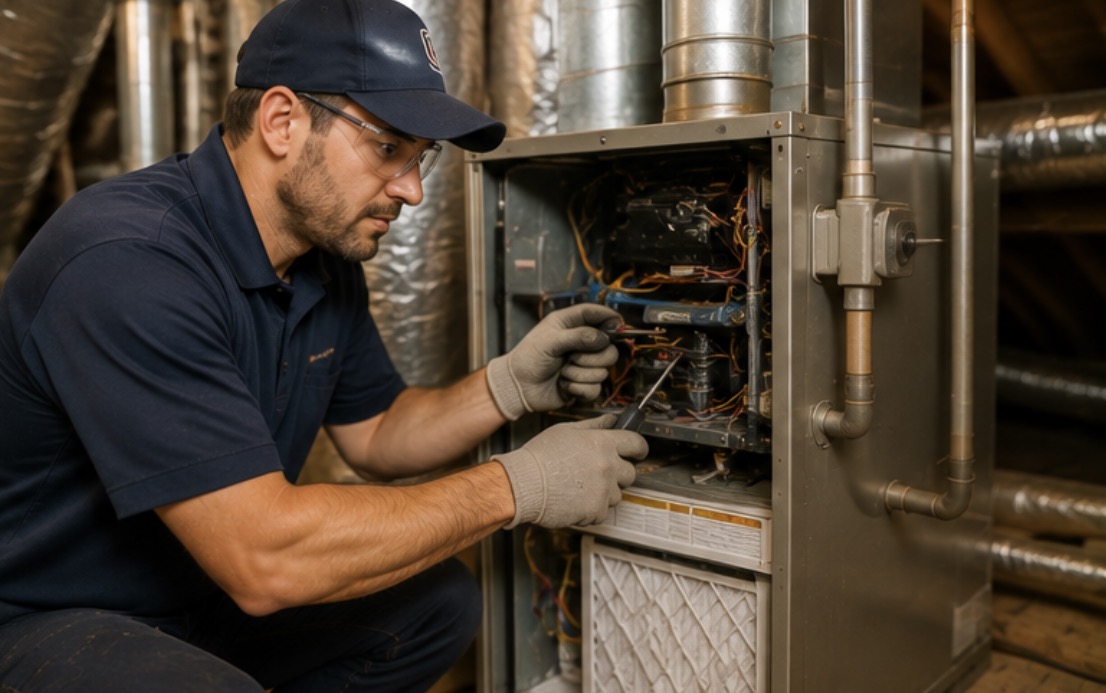
A replacement part is only one part of an HVAC repair. The technician still has to diagnose the failure, access the equipment, remove the defective component, install the new one, and verify that the system operates correctly. Depending on the component and location, that work can require several hours of skilled labor.
This is where a labor warranty becomes valuable. If the labor is covered, the contractor’s warranty may pay for eligible workmanship or repair labor during the stated warranty period. Without labor coverage, you could receive a covered replacement part from the manufacturer but still face a separate labor bill from the HVAC contractor.
For example, suppose a covered indoor coil fails during a manufacturer’s parts warranty period. The part may be supplied under the equipment warranty, but the actual repair can involve refrigerant recovery, coil replacement, evacuation, recharging, leak testing, and system startup. Your written labor warranty should explain whether those services are included and under what conditions.
For San Antonio homeowners, this distinction is worth understanding before the first major repair occurs, not when you’re already dealing with a failed system in the middle of a hot summer.
Check How Warranty Claims Are Actually Handled
Knowing that a warranty exists is different from knowing how to use it. When a covered component fails, you want to know whether you call the installing contractor, contact the manufacturer yourself, or follow another process. In many cases, the HVAC contractor diagnoses the failure and coordinates the manufacturer’s covered part while the labor coverage is handled under the contractor’s separate warranty terms.
Ask the contractor to walk you through a realistic example. If a covered component fails in year 7, who diagnoses it, who obtains the replacement part, who performs the repair, and what costs could still come out of your pocket? Getting those answers before installation can be much more useful than simply comparing warranty lengths.
Also keep your installation agreement, equipment model and serial numbers, registration confirmation, invoices, and warranty documents together. If you sell the home later, Texas law provides that an active manufacturer’s HVAC warranty generally transfers automatically to the new residential owner without a transfer fee, although the original warranty term does not become longer.
Compare Labor Coverage When Reviewing San Antonio HVAC Estimates
When you collect multiple HVAC proposals, put the labor warranty beside the equipment warranty instead of treating the warranty as one line item. One contractor may offer a standard manufacturer parts warranty with limited workmanship coverage, while another may include several years of labor protection or offer longer coverage as part of the installation package.
For example, if two replacement proposals are otherwise similar but one includes 10 years of labor coverage and the other provides only 1 year, that difference deserves attention. It does not automatically make the longer warranty the better proposal, because you should still review the exclusions, maintenance requirements, workmanship terms, and equipment coverage.
A useful comparison looks like this:
| Warranty Detail | Ask the Contractor |
|---|---|
| Manufacturer parts | How long are covered components protected? |
| Labor | How many years of eligible labor are included? |
| Workmanship | What installation-related problems are covered? |
| Registration | Who registers the new equipment? |
| Maintenance | Are maintenance requirements attached to coverage? |
| Service fees | Are diagnostic or trip charges covered? |
This makes it easier to compare the total protection you’re receiving, rather than choosing a system because its advertisement simply says “10-year warranty.”
Ask These Three Questions Before Signing
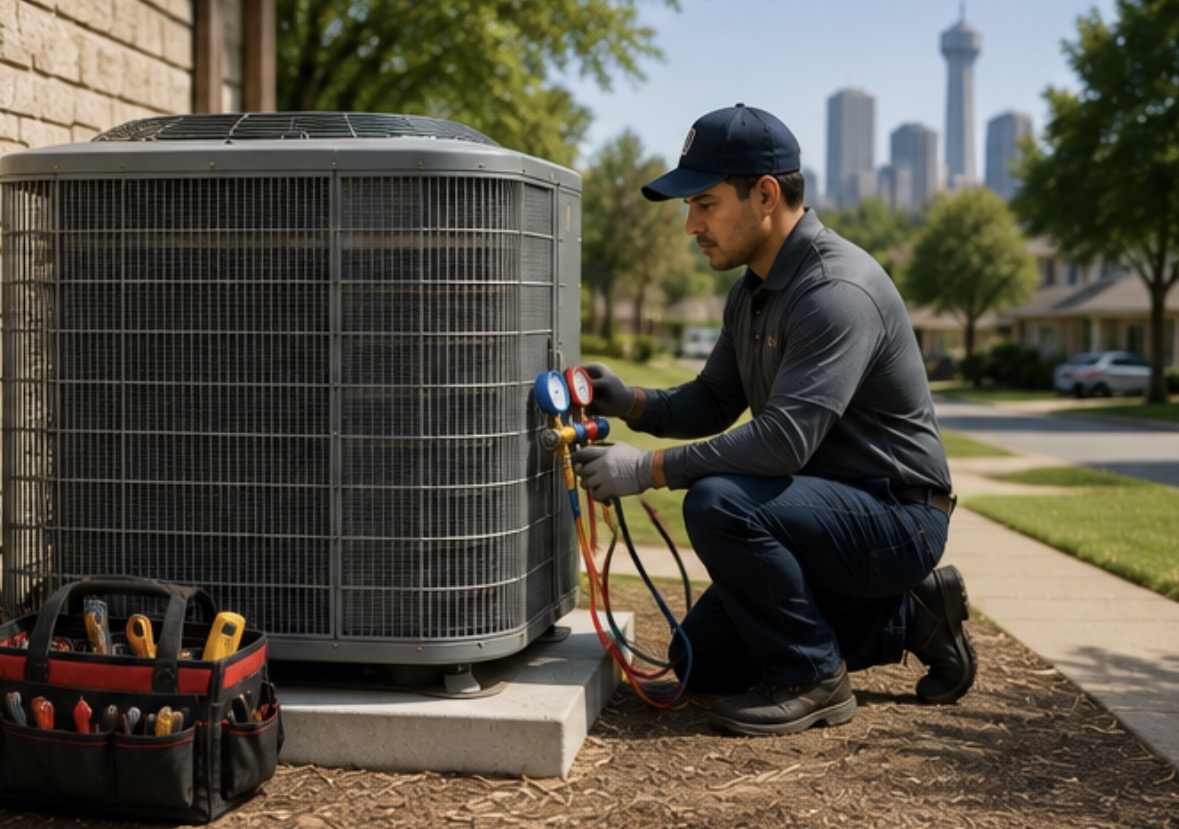
Before signing your HVAC installation agreement, make sure you understand what the warranty actually protects. Ask about the labor coverage period, covered repair work, service fees, claim process, and documentation you will receive. Getting these details in writing helps you understand your potential costs if the system needs warranty service later.
- How long is the labor warranty? Confirm the exact number of years and whether it is separate from the manufacturer’s parts coverage.
- What does the labor warranty cover? Ask whether eligible coverage includes diagnosis, removal, installation, refrigerant work, and system testing.
- What happens when I need warranty service? Find out who handles the claim, whether service or diagnostic fees apply, and what documentation you will receive after installation.
Getting these answers in writing makes it easier to understand the protection included with each HVAC proposal and compare the actual warranty coverage, rather than choosing based on a “10-year warranty” claim alone.
Understand What Can Affect Your Warranty Coverage
Warranty protection can have conditions attached to it, particularly when you’re dealing with a new HVAC installation. Equipment registration, proper installation, maintenance requirements, and exclusions should all be reviewed before you assume a particular repair will be covered.
This is where a labor warranty becomes valuable. If the labor is covered, the contractor’s warranty may pay for eligible work required to complete a covered repair. Without labor coverage, you could receive a replacement part under the manufacturer’s warranty while still paying the HVAC contractor for the work required to install it.
For San Antonio homeowners, that distinction matters most when a major component fails several years after installation. Understanding the labor coverage before you purchase the system gives you a clearer idea of what your future out-of-pocket costs could look like.
Look at Warranty Coverage Alongside Installation Quality
A strong warranty is valuable, but it should not be the only reason you choose an HVAC contractor. The installation itself affects how the system operates, and a warranty cannot turn an incorrectly sized or poorly installed system into a properly performing one.
When reviewing a replacement proposal, look at the warranty alongside the contractor’s approach to equipment sizing, ductwork, refrigerant connections, electrical requirements, airflow, startup testing, and system commissioning. A contractor should be able to explain what is being installed and why the proposed system is appropriate for your San Antonio home.
This is also why it makes sense to review the contractor’s HVAC installation and replacement services before choosing based solely on a warranty headline. The protection matters most when it is paired with a properly installed system and a contractor who will be available when service is needed.
Why Choose Alamo Comfort for HVAC Installation in San Antonio?
When you’re comparing a new HVAC system, we believe the warranty should be part of the decision, not an afterthought. At Alamo Comfort, we’re a family-owned and operated San Antonio HVAC company with years of HVAC experience, certified and trained technicians, and a focus on doing installation work correctly the first time. We also offer extended warranty options for our services.
Our work doesn’t stop at installing the equipment. We provide air conditioning services, heating services, HVAC maintenance, ductwork, and indoor air quality solutions, allowing us to continue supporting the system after installation. We also provide free estimates and maintenance plans for San Antonio homeowners who want ongoing HVAC care.
If you’re considering a new HVAC system, ask us to explain the equipment warranty, labor coverage, installation scope, and any conditions that apply before you commit. That gives you a clearer picture of what you’re buying today and what protection you can expect if the system needs attention years down the road.

Join the conversation