
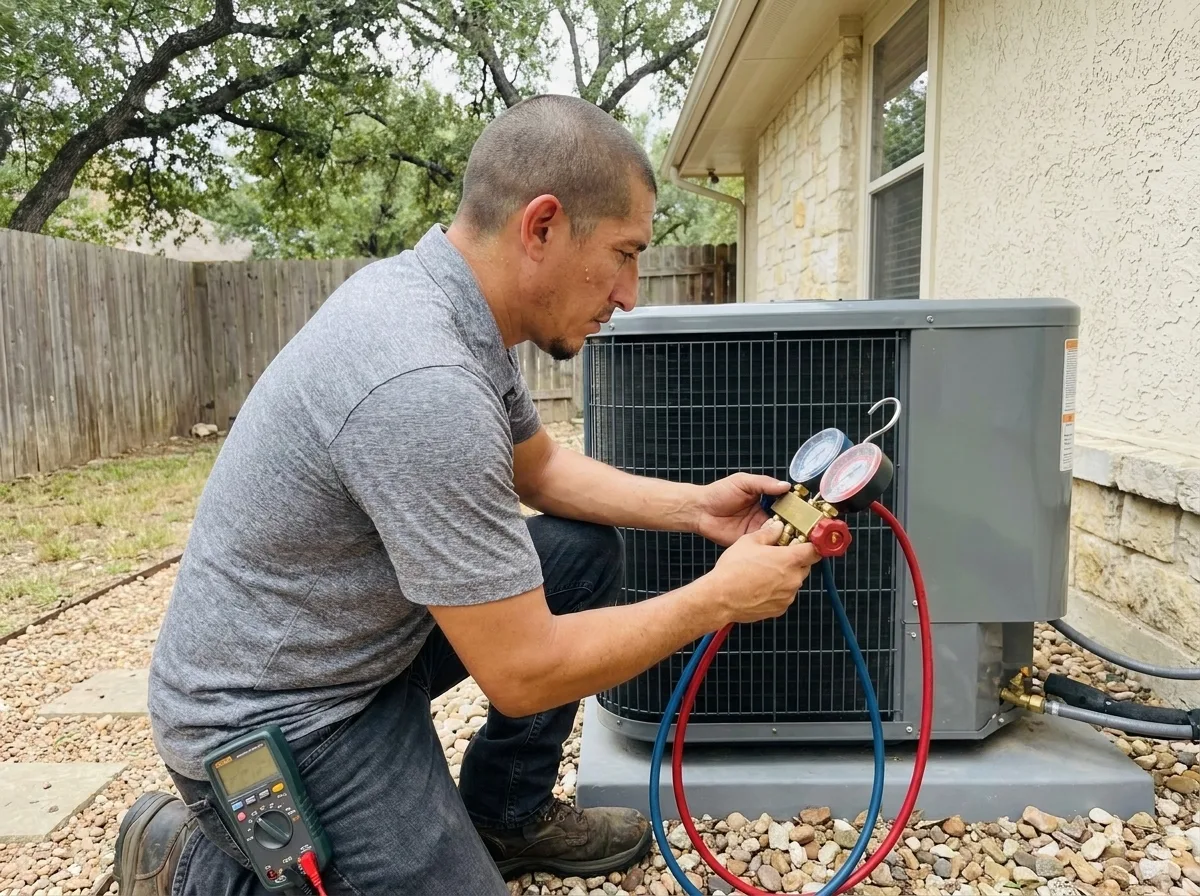
Hearing your air conditioner run without feeling cool air from the vents is one of the most frustrating problems a homeowner can face, especially during a San Antonio summer. When outdoor temperatures regularly climb into the upper 90s and often exceed 100°F, an AC that runs continuously without lowering the indoor temperature can quickly make the home uncomfortable.
The good news is that this symptom does not always mean your air conditioner has failed. Sometimes the issue is as simple as a clogged air filter or a thermostat setting. Other times, it may point to refrigerant leaks, frozen coils, electrical problems, or compressor issues that require professional AC repair in San Antonio. Understanding the most common causes can help you know what to check first and when it’s time to call an HVAC technician.
Why Is Your AC Running but Not Cooling?
An air conditioner cools your home by continuously removing heat from indoor air and releasing it outside. If any part of that process is interrupted, the system may keep running while the temperature inside barely changes.
San Antonio’s climate makes these problems more noticeable. During July and August, residential AC systems often operate for 10 to 14 hours a day, and extended run times put additional stress on filters, coils, refrigerant systems, electrical components, and compressors. A small issue that goes unnoticed in spring can become a complete loss of cooling during a Texas heat wave.
Common reasons an AC runs without cooling
| Problem | How it affects cooling |
|---|---|
| Dirty air filter | Restricts airflow and reduces cooling capacity |
| Refrigerant leak | Prevents proper heat removal |
| Frozen evaporator coil | Blocks airflow through the system |
| Dirty outdoor condenser | Makes it difficult to release heat |
| Faulty capacitor or contactor | Prevents components from operating correctly |
| Compressor problems | Stops the refrigeration cycle |
Finding the root cause early can make a significant difference in both repair costs and system reliability. Issues like restricted airflow, refrigerant leaks, or electrical component failures are often much easier and less expensive to repair before they place additional strain on the compressor or other major components.
Reason #1: Your air filter is restricting airflow
A dirty air filter is one of the most common reasons an air conditioner runs without cooling properly. As dust, pet hair, pollen, and other airborne particles build up inside the filter, less air can move across the evaporator coil. Restricted airflow reduces cooling capacity, increases system runtime, and places unnecessary strain on the whole system.
San Antonio’s long cooling season, combined with cedar pollen, oak pollen, and year-round dust, causes air filters to clog much faster than many homeowners realize. A filter that looked clean at the start of spring can become heavily restricted after just a few months of daily operation, which is why regular inspections matter.
How to prevent airflow problems
- Check your air filter at least once a month during peak cooling season.
- Replace most standard 1-inch filters every 2 to 3 months, or sooner if they look dirty.
- Homes with pets, allergies, or ongoing construction may need filter changes every 30 to 60 days.
- Make sure furniture, rugs, or curtains are not blocking return air vents.
- Keep supply vents open to maintain balanced airflow throughout the home.
Reason #2: A refrigerant leak is reducing cooling performance
Your air conditioner does not consume refrigerant during normal operation. If refrigerant levels are low, the system almost always has a leak that needs to be repaired. Simply adding more refrigerant without fixing the leak is usually a temporary fix that lets the problem come back.
A small refrigerant leak may not stop cooling right away. Instead, homeowners often notice the AC runs longer, takes more time to reach the thermostat setting, or struggles during the hottest part of the afternoon. As refrigerant levels keep dropping, the system becomes less efficient and puts more strain on the compressor.
What refrigerant leaks can lead to
Longer cooling cycles
As refrigerant levels drop, the system loses its ability to remove heat efficiently. To compensate, the air conditioner runs longer to reach the thermostat setting, increasing wear on critical components.
Higher utility bills
An air conditioner with low refrigerant has to work much harder to cool the home. Those longer cycles can noticeably increase electricity use, especially during San Antonio’s hottest months when the system may already run several hours a day.
Frozen evaporator coils
Low refrigerant reduces pressure inside the cooling system, causing the evaporator coil to get much colder than normal. Moisture in the air can then freeze on the coil, restricting airflow and making it even harder to cool your home.
Compressor damage
The compressor depends on the correct refrigerant charge to run efficiently. Running the system with a leak forces the compressor to work harder for long stretches, raising the risk of overheating and one of the most expensive AC repairs a homeowner can face.
Addressing refrigerant leaks promptly restores cooling performance, improves efficiency, and helps protect the compressor. A professional diagnosis also makes sure the leak is repaired correctly rather than temporarily masked by adding more refrigerant.
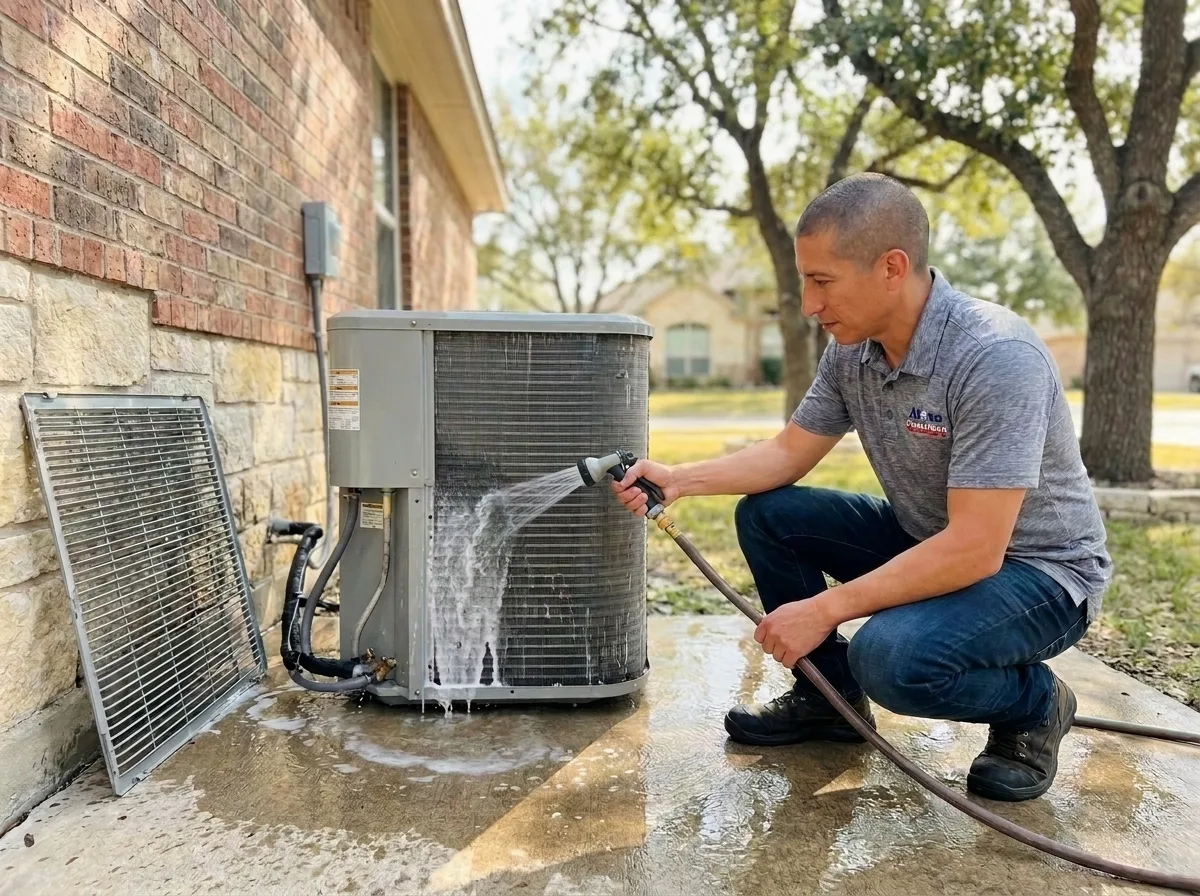
Reason #3: Your outdoor condenser can’t release heat efficiently
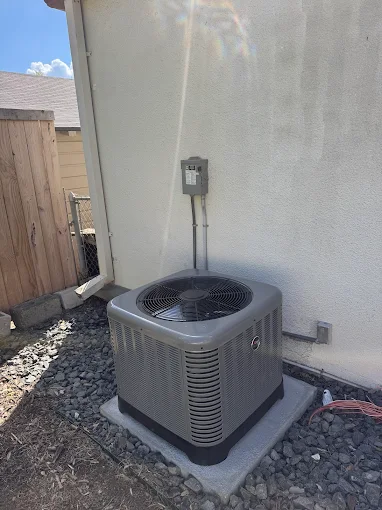
Even when the indoor portion of your AC is working properly, the system can’t cool your home unless the outdoor condenser can release heat effectively. In San Antonio, outdoor units are exposed to intense summer sun, dust, grass clippings, and debris that gradually collect on the condenser coil. As that buildup grows, the system has to work harder to keep your home comfortable.
Reduced heat transfer forces the compressor to run at higher temperatures and for longer periods. That not only increases electricity use but can also shorten the lifespan of one of the most expensive components in the system.
How to keep the outdoor unit working efficiently
- Leave at least 24 inches of clearance around all sides of the condenser.
- Trim shrubs and landscaping several times during the cooling season.
- Gently rinse the outdoor coil with a garden hose if dirt buildup becomes visible.
- Avoid directing grass clippings or mulch toward the unit while mowing.
- Schedule a professional coil cleaning during your annual AC maintenance if the condenser is heavily soiled.
Reason #4: Electrical components may be preventing proper cooling
If your AC is running but your home is still warm, an electrical component may not be working as it should. Modern air conditioners rely on several electrical parts to start the compressor, power the outdoor unit, and keep the cooling cycle running. When one begins to fail, the system can appear to operate normally while producing little or no cool air.
Because electrical problems often develop without obvious warning signs, they should be diagnosed by a qualified HVAC technician. Continuing to run the system can put extra strain on other components and lead to more expensive repairs.
Electrical issues that can cause an AC to run without cooling
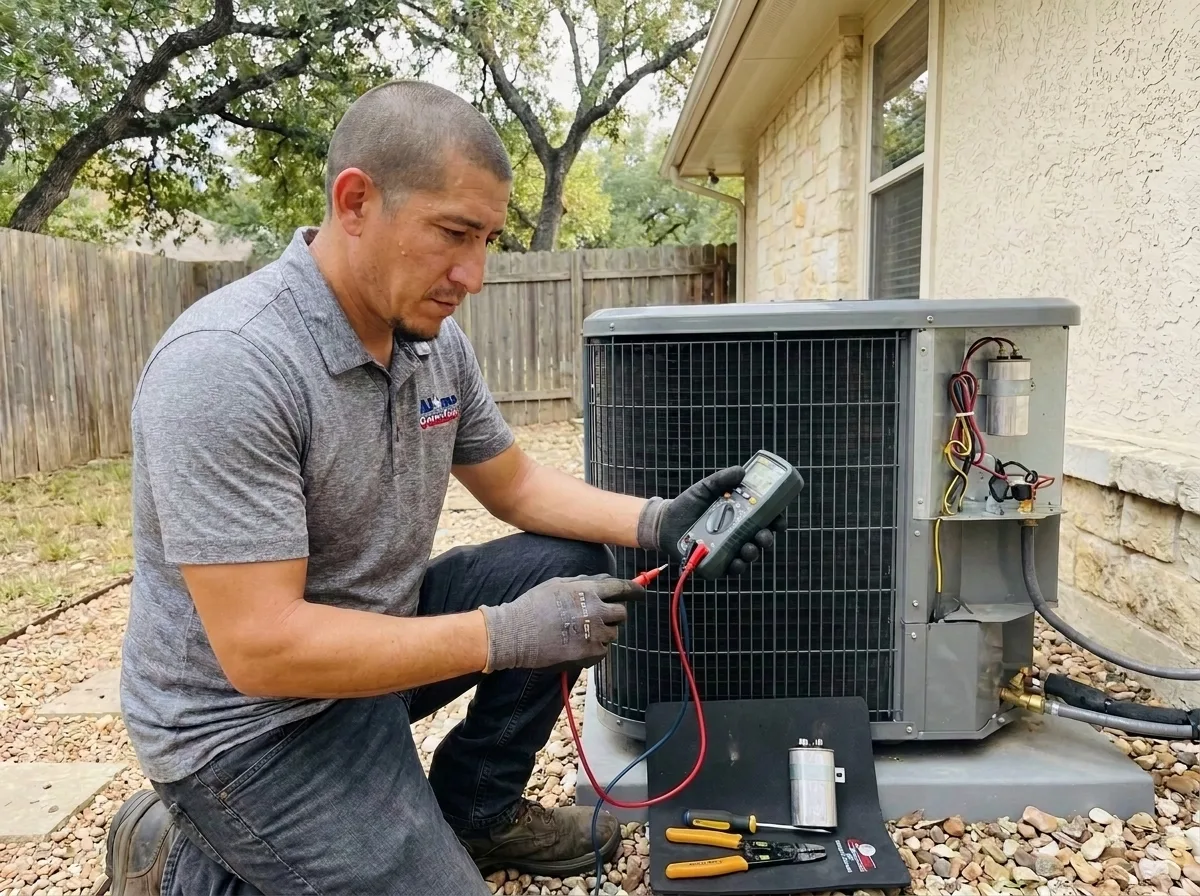
- Failed capacitor: a weak capacitor may let the indoor fan run while preventing the compressor or outdoor fan from starting properly.
- Worn contactor: damaged contact points can interrupt power to the outdoor unit, stopping the refrigeration cycle even though the thermostat is calling for cooling.
- Loose electrical connections: vibration during normal operation can loosen wiring over time, causing inconsistent or intermittent cooling.
- Faulty thermostat: a malfunctioning thermostat may send incorrect signals to the system, preventing it from cooling properly.
- Damaged control board: the control board manages communication between components. When it fails, the AC may run unpredictably or stop cooling altogether.
Since several different electrical issues can produce the same symptom, professional troubleshooting is the safest way to identify the actual cause and restore reliable cooling.
When should you call for professional AC repair?
While replacing a dirty filter is a simple DIY task, most cooling problems need specialized tools and testing to diagnose correctly. Refrigerant leaks, frozen evaporator coils, electrical failures, and compressor issues can quickly become more expensive if the system keeps running without being repaired.
| Problem | Why you shouldn’t wait |
|---|---|
| AC runs but blows warm air | May indicate refrigerant or compressor problems |
| Ice forming on refrigerant lines | Can lead to compressor damage |
| Breakers repeatedly trip | Possible electrical safety concern |
| Water leaking around the indoor unit | May damage drywall, flooring, or insulation |
| Outdoor unit not running | Often requires electrical or component diagnosis |
Choosing the right HVAC contractor also matters. A thorough inspection should identify why the system stopped cooling, not just restore temporary operation. Understanding the root cause helps prevent repeat breakdowns and protects the long-term health of your air conditioner.
How Alamo Comfort approaches AC that won’t cool
When your air conditioner is running but not cooling, the priority is finding the real cause, not simply swapping parts. Whether the issue involves restricted airflow, a refrigerant leak, electrical components, or compressor performance, an accurate diagnosis restores reliable cooling while preventing unnecessary repair costs.
At Alamo Comfort Heating & Air Conditioning, our technicians perform a complete system evaluation before recommending repairs. We inspect airflow, refrigerant levels, electrical components, drain systems, and overall performance to find the root cause. Whether you need AC repair, preventative AC maintenance, or honest guidance on whether a replacement makes more sense, we focus on long-term comfort and value.

Join the conversation